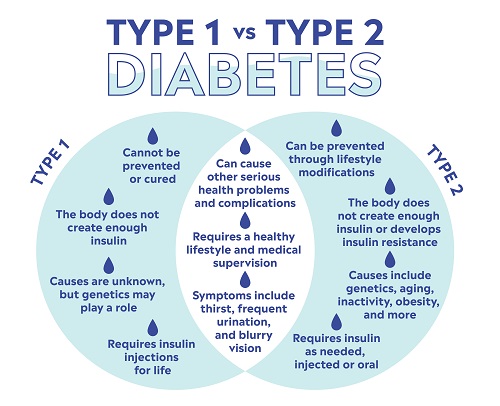
A chronic metabolic disorder characterized by persistently high blood glucose (sugar) levels. This occurs when the body either doesn’t produce enough insulin or can’t effectively use the insulin it does produce.
Insulin Deficiency or Resistance:
The primary issue is either insufficient insulin production by the pancreas or the body’s inability to respond properly to the insulin it does produce.
High Blood Glucose:
This leads to a build-up of glucose in the bloodstream, which can damage various organs over time.
Types of Diabetes:
There are several types, including type 1 (autoimmune destruction of insulin-producing cells), type 2 (insulin resistance and often later, insufficient insulin production), and gestational diabetes (occurring during pregnancy).
Symptoms:
Common symptoms include frequent urination, increased thirst, unexplained weight loss, excessive hunger, blurred vision, and fatigue.
Complications:
Uncontrolled diabetes can lead to serious long-term complications, such as cardiovascular disease (heart attacks, stroke – paralysis), diabetic neuropathy (nerve damage causing tingling and numbness in feet) , kidney disease, eye damage (retinopathy), and foot problems.
Orchid Clinicis a trusted center for comprehensive and compassionate healthcare, with a special focus on the prevention, diagnosis, and management.