Heart disease is one of the leading causes of death globally, affecting millions of people each year. It refers to a range of conditions that affect the heart’s structure and function, including coronary artery disease, arrhythmias, heart valve disorders, congenital heart defects, and heart failure. Despite its seriousness, heart disease can be effectively managed—and in many cases, prevented—with early detection, lifestyle changes, and appropriate medical care.
Common Causes and Risk Factors
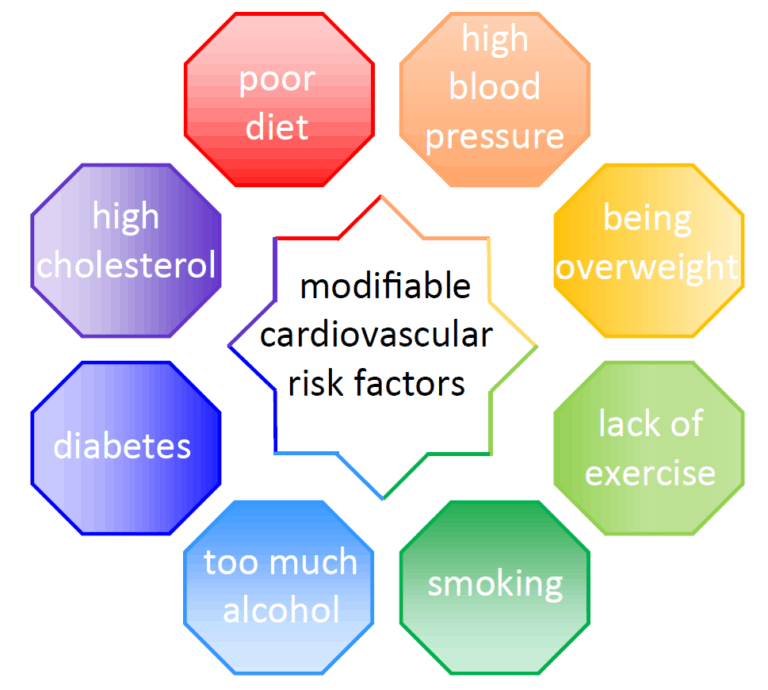
Heart disease can be influenced by several factors. Some are controllable through lifestyle changes, while others, like age or genetics, are not. Key causes and risk factors include:
- High Blood Pressure (Hypertension)
- High Cholesterol Levels
- Smoking and Tobacco Use
- Diabetes or Prediabetes
- Obesity or Overweight
- Poor Diet (high in saturated fats and salt)
- Lack of Physical Activity
- Excessive Alcohol Consumption
- Chronic Stress
- Family History of Heart Disease
Treatment Options for Heart Disease
Managing heart disease typically involves a combination of lifestyle changes, medications, and in some cases, surgical or non-surgical procedures. The primary goal is to control symptoms, prevent complications, and improve overall heart function.
Lifestyle Changes:
- Healthy Diet: Emphasize heart-healthy foods rich in fiber, omega-3s, and antioxidants.
- Regular Exercise: At least 150 minutes of moderate aerobic activity per week.
- Quit Smoking: Stopping tobacco use can significantly improve heart health.
- Weight Management: Maintaining a healthy weight reduces the strain on your heart.
- Stress Reduction: Incorporate practices like meditation, yoga, or therapy.
