Obesity is more than just a cosmetic concern—it’s a complex health condition that significantly increases the risk of various diseases, including diabetes, heart disease, high blood pressure, and certain types of cancer. Defined by an excessive accumulation of body fat, obesity can impact both physical and mental health, affecting the overall quality of life.
According to the World Health Organization (WHO), obesity has nearly tripled worldwide since 1975, making it a global health challenge. The good news is that obesity is treatable with the right approach, combining lifestyle changes, medical interventions, and ongoing support.
What is Obesity?
Obesity is typically measured using the Body Mass Index (BMI)—a value derived from height and weight. A BMI of 30 or above is classified as obese. While BMI is not a perfect measure, it serves as a general indicator of whether a person’s weight is in a healthy range.
There are different categories of obesity:
- Class 1: BMI 30 to <35
- Class 2: BMI 35 to <40
- Class 3 (Severe or Morbid Obesity): BMI 40 or higher
Obesity occurs when you consume more calories than your body burns, leading to fat storage over time. But this condition is often influenced by more than just diet and activity—it involves genetics, hormones, environment, and behavior.
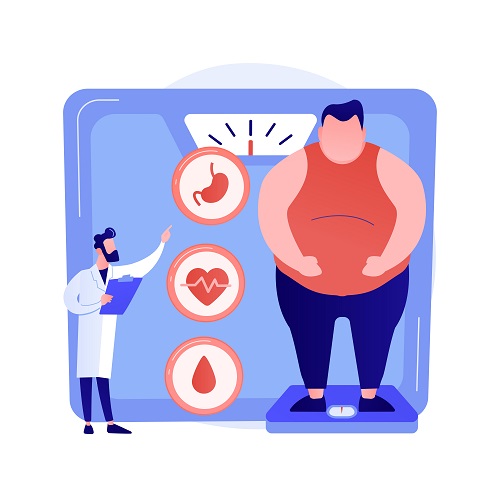
Health Risks Associated with Obesity
Obesity is a major risk factor for several serious health conditions, including:
- Type 2 Diabetes
- Hypertension (High Blood Pressure)
- Coronary Heart Disease and Stroke
- Sleep Apnea and Breathing Disorders
- Fatty Liver Disease
- Osteoarthritis
- Certain Cancers (such as breast, colon, and kidney cancer)
- Mental Health Issues (depression, low self-esteem)
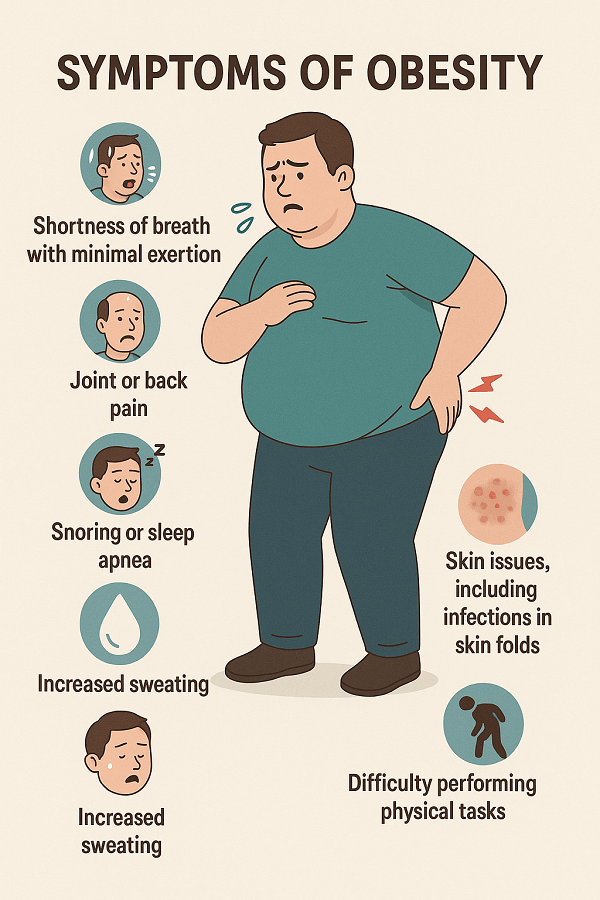
Symptoms of Obesity
While obesity is typically visible through weight gain, other related symptoms may include:
- Shortness of breath with minimal exertion
- Fatigue and lack of energy
- Joint or back pain
- Snoring or sleep apnea
- Skin issues, including infections in skin folds
- Increased sweating
- Difficulty performing physical tasks
It’s important to seek medical advice if these symptoms are affecting your daily life.
Treatment Options for Obesity
Obesity treatment is multi-faceted and should focus on long-term lifestyle changes, not just quick fixes. Common treatment approaches include:
1. Lifestyle Modifications
- Balanced Diet: Focus on nutrient-rich foods like fruits, vegetables, lean proteins, and whole grains. Avoid sugary drinks and processed foods.
- Physical Activity: At least 150 minutes of moderate aerobic exercise weekly, combined with strength training.
- Behavioral Therapy: Professional counseling can help address emotional eating, stress management, and goal-setting.
2. Medical Management
Doctors may prescribe weight-loss medications if lifestyle changes alone are insufficient. These medications work by:
- Reducing appetite
- Blocking fat absorption
- Increasing the feeling of fullness
