In today’s fast-paced world, the ability to monitor your health from home or a clinic has never been more critical. Two essential diagnostic tools that play a key role in managing chronic conditions and detecting early signs of health problems are the glucometer and the electrocardiogram (ECG). Whether you’re a patient managing diabetes or someone experiencing heart-related symptoms, understanding these tools can empower you to take better control of your health.
What is a Glucometer?
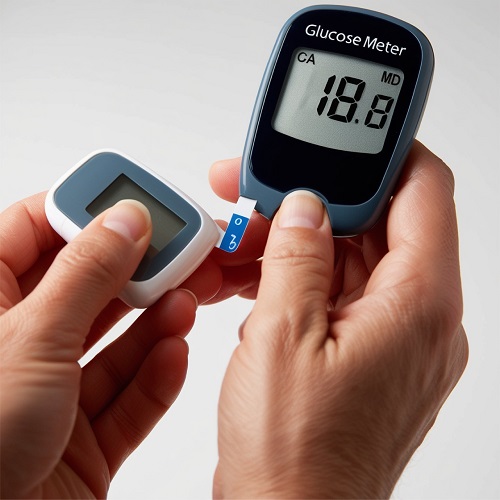
A glucometer is a compact medical device used to measure the level of glucose (sugar) in the blood. It’s an essential tool for individuals living with diabetes mellitus, a condition where the body cannot regulate blood sugar effectively.
Glucometers are widely used for:
- Monitoring daily blood glucose levels
- Adjusting insulin doses
- Understanding how food, exercise, and medication affect glucose levels
- Preventing complications like hypoglycemia (low blood sugar) or hyperglycemia (high blood sugar)
Who Should Use a Glucometer?
A glucometer is recommended for:
- Individuals diagnosed with type 1 or type 2 diabetes
- Pregnant women with gestational diabetes
- Patients on insulin or other glucose-lowering medications
- People at high risk for diabetes due to obesity, genetics, or lifestyle
Doctors often advise patients to keep a logbook of their readings and share it during follow-up visits for better treatment planning.
What is an Electrocardiogram (ECG)?
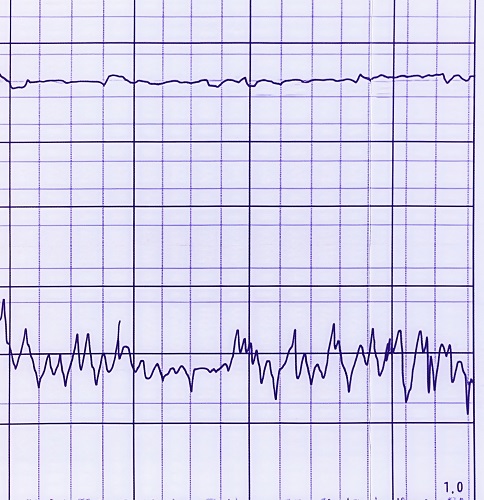
An Electrocardiogram (ECG or EKG) is a non-invasive, painless test that records the electrical activity of the heart. It helps doctors detect heart problems, monitor heart health, and guide treatment for cardiac conditions.
An ECG is essential for diagnosing conditions such as:
- Arrhythmias (irregular heartbeats)
- Heart attacks
- Coronary artery disease
- Heart enlargement
- Electrolyte imbalances
When is an ECG Recommended?
Your doctor may recommend an ECG if you experience:
- Chest pain or discomfort
- Irregular heartbeat
- Shortness of breath
- Dizziness or fainting
- High blood pressure
- History of heart disease
It’s also commonly used before surgeries or as part of a routine health check-up, especially for individuals over 40.
Glucometer & ECG: Tools for Proactive Health Management
When used together, glucometers and ECGs offer a more complete picture of your health. For patients with diabetes and heart disease, regular monitoring can:
- Help maintain target glucose levels
- Identify cardiac risks early
- Reduce hospital visits and emergencies
- Improve the effectiveness of ongoing treatment
Modern clinics and home healthcare providers often include these diagnostic tools in regular health assessments to provide personalized and preventive care.
