Expert Diabetic Treatment In Vadodara for Type 1 and Type 2 Diabetes
- By orchid
Understanding Type 1 and Type 2 Diabetes
Diabetes is one of the most common lifestyle-related health conditions today. It occurs when the body is unable to properly regulate blood sugar (glucose) levels. Glucose is an important source of energy for the body, but when it remains too high in the bloodstream, it can lead to serious health complications over time. The two most common types of diabetes are Type 1 Diabetes and Type 2 Diabetes. Although both conditions affect blood sugar levels, their causes, risk factors, and management approaches are different.
What is Type 1 Diabetes?
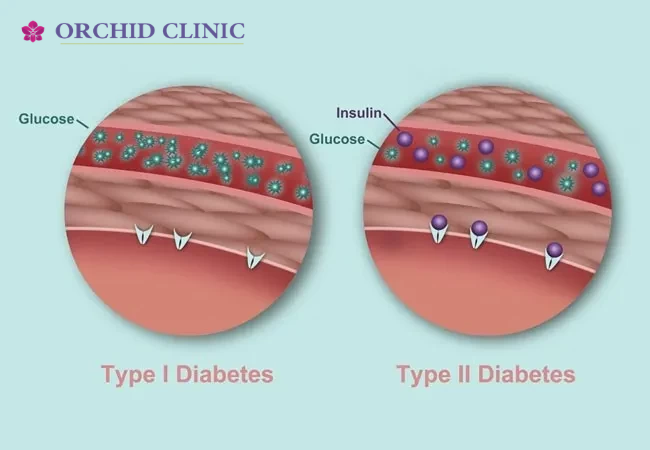
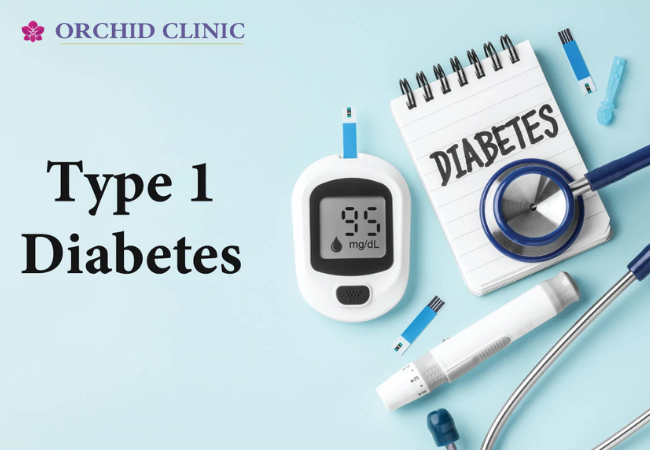
Type 1 diabetes is an autoimmune condition in which the body’s immune system mistakenly attacks the insulin-producing cells in the pancreas. Insulin is a hormone that helps glucose move from the bloodstream into the body’s cells for energy. When these cells are damaged, the body produces little or no insulin.
Type 1 diabetes is often diagnosed in children, teenagers, or young adults, though it can develop at any age. The exact cause is still not fully understood, but genetic and environmental factors are believed to play a role.
- Frequent urination
- Excessive thirst
- Sudden weight loss
- Extreme fatigue
- Blurred vision
- Increased hunger
Since the body cannot produce insulin, people with Type 1 diabetes need lifelong insulin therapy along with careful monitoring of blood sugar levels. With proper medical care and lifestyle management, individuals can live healthy and active lives. Consulting an experienced specialist such as Dr. Asmita Saner, Diabetologist can help patients manage the condition effectively and prevent complications.
What is Type 2 Diabetes?
Type 2 diabetes is the most common form of diabetes and usually develops in adults, although it is increasingly being seen in younger individuals due to lifestyle changes. In this condition, the body either does not produce enough insulin or becomes resistant to insulin, which means the cells do not respond properly to it.
Several factors can increase the risk of developing Type 2 diabetes, including:
- Being overweight or obese
- Lack of physical activity
- Family history of diabetes
- Unhealthy eating habits
- Increasing age
Unlike Type 1 diabetes, Type 2 diabetes often develops gradually and may not show noticeable symptoms in the early stages. When symptoms do appear, they may include frequent urination, excessive thirst, slow wound healing, fatigue, and frequent infections.
Early diagnosis and timely Diabetic Treatment In Vadodara can help control blood sugar levels and reduce the risk of complications such as heart disease, nerve damage, kidney issues, and vision problems.
Key Differences Between Type 1 and Type 2 Diabetes
While both types affect blood sugar levels, there are several important differences:
- Cause: Type 1 is an autoimmune condition, whereas Type 2 is mainly linked to lifestyle and genetic factors.
- Age of Onset: Type 1 usually develops at a younger age, while Type 2 is more common in adults.
- Insulin Production: People with Type 1 diabetes produce little or no insulin, while those with Type 2 may still produce insulin but cannot use it effectively.
- Treatment Approach: Type 1 requires insulin therapy, while Type 2 can often be managed with lifestyle changes, medications, and sometimes insulin.
Importance of Early Diagnosis and Treatment
Managing diabetes requires a combination of medical care, healthy eating, regular exercise, and consistent monitoring of blood sugar levels. Early diagnosis plays a key role in preventing long-term complications.
If you are experiencing symptoms of diabetes or have risk factors such as family history or obesity, consulting an experienced Diabetologist In Vadodara is highly recommended. Specialists like Dr. Asmita Saner, Diabetologist focus on personalized diabetes care, helping patients maintain stable blood sugar levels and improve their overall quality of life.
With the right guidance and proper Diabetic Treatment In Vadodara, individuals living with diabetes can effectively control their condition and continue leading a healthy and fulfilling life.
