Pre-Diabetes Explained: Can It Be Reversed Naturally?
- By orchid
Prediabetes is an early warning sign that your blood sugar levels are higher than normal but not yet high enough to be diagnosed as Type 2 diabetes. Although it may not cause noticeable symptoms, it is an important stage where timely action can make a significant difference to your long-term health.
The good news is that prediabetes can often be reversed or brought back to normal blood sugar levels through consistent lifestyle changes, healthy eating habits, regular physical activity and appropriate medical guidance. Early identification and the right preventive measures can also reduce the risk of developing Type 2 diabetes.
Dr. Asmita Saner, at Orchid Diabetes Clinic, helps patients understand their blood sugar levels and take appropriate steps towards better metabolic health. If you are concerned about your diabetes risk, consulting a specialist at a Diabetes Clinic in Vadodara can help you understand your condition and develop a personalized prevention plan.
1. What Is Prediabetes and Why Should You Be Concerned?
Prediabetes is a condition in which blood glucose levels are higher than the normal range but do not meet the diagnostic criteria for Type 2 diabetes. It often develops when the body becomes less responsive to insulin, a hormone responsible for helping glucose enter the body’s cells.
This condition is also associated with insulin resistance, which can gradually affect the body’s ability to regulate blood sugar.
Some common risk factors include:
- Family history of Type 2 diabetes.
- Being overweight or having excess abdominal fat.
- Lack of regular physical activity.
- Unhealthy eating habits and frequent consumption of processed foods.
- High blood pressure or abnormal cholesterol levels.
- History of gestational diabetes.
Prediabetes often develops without obvious symptoms, making regular blood sugar screening particularly important for people with risk factors.
2. How Can You Identify Prediabetes? Understanding Blood Sugar Levels
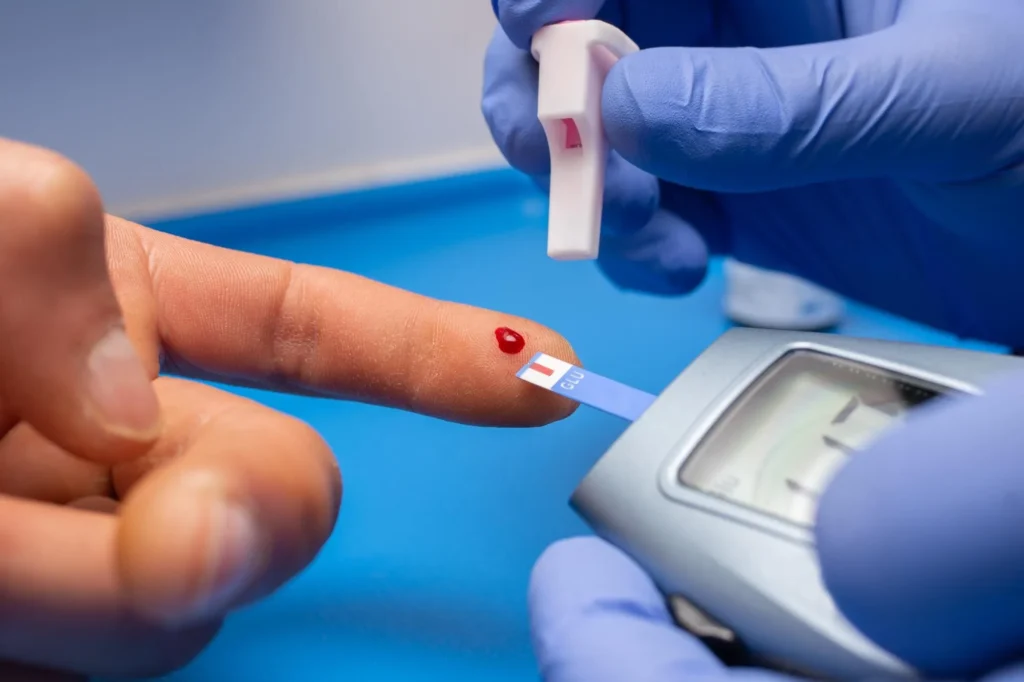
Blood tests are the most reliable way to identify prediabetes. Healthcare professionals generally use HbA1c, fasting blood glucose and oral glucose tolerance tests to assess blood sugar levels.
Here are the commonly used diagnostic ranges:
| Test | Prediabetes Range |
|---|---|
| HbA1c | 5.7% – 6.4% |
| Fasting Blood Sugar | 100–125 mg/dL |
| 2-Hour Oral Glucose Tolerance Test | 140–199 mg/dL |
An HbA1c test provides an estimate of average blood glucose levels over approximately the previous three months, while fasting blood sugar measures glucose levels after fasting.
If your test results fall within these ranges, your doctor may recommend further evaluation and periodic monitoring.
You can also read our guide on HbA1c Test: What the Numbers Really Mean for Your Health to understand the importance of this test.
3. Can Prediabetes Be Reversed Naturally?
Yes, many people with prediabetes can bring their blood sugar levels back into the normal range through sustainable lifestyle modifications.
However, natural reversal does not mean ignoring medical advice or stopping prescribed medication. The results depend on individual health conditions, risk factors and consistency in maintaining healthy habits.
Some important lifestyle changes include:
Healthy Weight Management: Losing approximately 5–7% of your initial body weight, if you are overweight, can significantly reduce the risk of developing Type 2 diabetes.
Regular Physical Activity: Activities such as brisk walking, cycling, swimming and strength training help improve insulin sensitivity and support better glucose utilization.
Balanced Nutrition: Choosing whole grains, vegetables, pulses, nuts and fibre-rich foods while reducing refined carbohydrates and sugary beverages can help maintain healthier blood sugar levels.
Adequate Sleep: Maintaining a consistent sleep schedule and getting sufficient rest can support metabolic health.
Stress Management: Practising yoga, meditation and relaxation techniques may help support overall health and healthy lifestyle habits.
Consistency is more important than making drastic changes for a short period.
4. Best Dietary Habits to Help Manage Prediabetes
Food choices play an important role in maintaining healthy blood glucose levels. A balanced diet can help prevent sudden blood sugar fluctuations and support long-term metabolic health.
Some useful dietary habits include:
- Choose whole grains such as whole wheat, oats, millets and other fibre-rich foods.
- Include green vegetables, salads and seasonal vegetables in daily meals.
- Add protein sources such as dal, beans, sprouts, paneer and other suitable protein-rich foods.
- Prefer whole fruits instead of fruit juices.
- Reduce sugary drinks, sweets, refined flour products and highly processed snacks.
- Maintain regular meal timings and appropriate portion sizes.
For additional guidance, read our article on What Is the Best Diet for Diabetes?
Remember that dietary requirements vary from person to person. A personalized nutrition plan can help you make sustainable changes according to your health needs.

5. How Exercise Helps Prevent the Progression of Prediabetes
Regular physical activity improves insulin sensitivity and allows muscles to use glucose more effectively. It can also help manage body weight, improve cardiovascular health and support overall metabolic function.
Some beneficial activities include:
Brisk Walking: Walking for around 30 minutes on most days can help improve glucose metabolism.
Cycling: Cycling is a useful aerobic activity that supports cardiovascular fitness.
Strength Training: Resistance exercises help maintain muscle mass and improve the body’s ability to utilize glucose.
Yoga and Stretching: These activities can support flexibility, stress management and general well-being.
A commonly recommended target for adults is at least 150 minutes of moderate-intensity physical activity per week, adjusted according to individual health and fitness levels.
Read our related article on Best Exercises for Diabetes: How Physical Activity Helps Manage Blood Sugar for more information.
6. When Should You Consult a Diabetes Specialist?
Prediabetes should not be ignored, even if you feel healthy. Early medical evaluation can help identify risk factors and prevent the condition from progressing.
Consider consulting a healthcare professional if:
- Your HbA1c or fasting blood sugar results are in the prediabetes range.
- You have a family history of diabetes.
- You are experiencing unexplained weight changes.
- You have excess abdominal fat or a sedentary lifestyle.
- You have previously experienced gestational diabetes.
- You have high blood pressure or abnormal cholesterol levels.
At Orchid Diabetes Clinic, Dr. Asmita Saner can help evaluate blood sugar reports, assess diabetes risk factors and guide patients regarding suitable lifestyle modifications, monitoring and treatment when necessary.
Consulting a specialist at a Diabetes Clinic in Vadodara can help you take informed steps towards preventing Type 2 diabetes.
Take Control of Your Blood Sugar Before Diabetes Develops
Prediabetes is an important opportunity to take action before Type 2 diabetes develops. With healthy food choices, regular exercise, sustainable weight management and periodic blood sugar monitoring, many individuals can improve their glucose levels and reduce their risk of developing diabetes.
Early intervention and professional guidance are essential for achieving sustainable results. Dr. Asmita Saner at Orchid Diabetes Clinic provides guidance to help individuals understand prediabetes and make informed decisions about their metabolic health.
Taking small steps today can make a meaningful difference to your health in the future.
